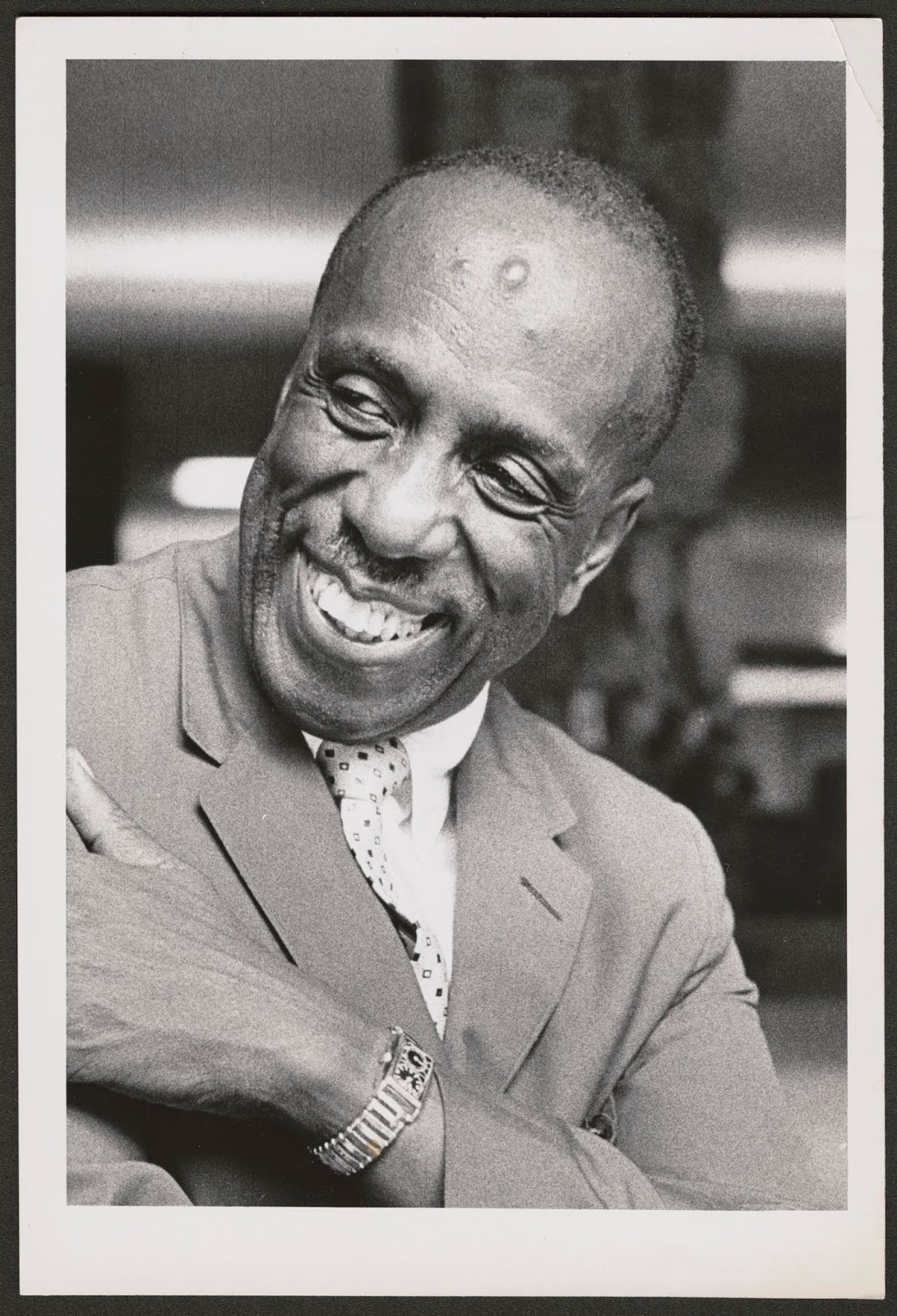
Howard Thurman and the Quest for Community: From Prodigals to Compassionate Samaritans

This post is the second on chapter 6 about the Prodigal Son parable. It includes some key quotes from the chapter and "digging deeper" insights from Barbara Reid about misinformed patriarchal readings of the parable.
QUOTES FOR REFLECTION AND DISCUSSION
“As we have seen, Jesus in Luke argues that vertical generalized reciprocity—the advantaged giving to the disadvantaged without expecting anything in return—is the means by which wealthy people can enter heaven (e.g., Luke 14:12–14; cf. 16:14, 19–31). This parable, then, may offer a similar message: assistance to those in need should be given even to those who may be—or appear to be—undeserving.”
“Understood by God, accepted at the core of our being, we thus have a radical confirmation of community.…Therefore, the foundation of community is built on the loving actions of God. But a human response to the whisper of God in our hearts is also required. Even though the parable itself is ambiguous about whether the younger son truly repents and whether the older son ultimately reconciles with his father and brother, the desired outcomes are clear for both, and the restoration of community is dependent on those responses of repentance.”
“One cannot truly love ‘the hungry’ or ‘the homeless’ without loving and caring for in some concrete ways individuals who are hungry or homeless. Part of caring for other human beings involves serious attempts to understand their context and situation. Understanding other people’s contexts involves more than just acknowledging their predicament at a particular point in time; this effort also seeks to become aware of their potential. To truly love people involves, as Thurman liked to put it, meeting people where they are and dealing with them as if they were where they should be.”
Howard Thurman: “For better or for worse, God and I, God and you, are bound together, and I cannot be what it is that I must be if between you and me, between you and God, there is no community.…God cannot be happy in his heaven if any man is in hell. Therefore, I must work out my salvation by seeking in every way to further communion between myself and all living things and myself and God.”
“Answering the question of ‘What is God like?’ inherently leads to Jesus’s call to act like God our loving parent does (e.g., ‘to be merciful, just as [God] your father is merciful’; Luke 6:36). In that way, human beings can act to restore and preserve community, a fundamental issue of ‘salvation’ for Thurman.”
“Becoming a repentant child is but one step on the path to becoming the welcoming father.”
DIGGING DEEPER
This parable was told and heard in a patriarchal society, so the absence of the mother and no mention of daughters are not surprising. It is not just the compressed nature of parables that could influence why they do not appear. Some interpreters attempt to include the mother by arguing that the parable incorporates maternal metaphors—the mother is the “unspoken binary of the father”—by linking the son’s starvation to the need for (motherly) nourishment or the father’s affectionate (motherly) kisses of the returning son (Scott 1989, 115, 117, 122). As Barbara Reid states, however, such “feminizing” of the father does not insert women into the story. Instead, by normalizing the image of father for God and rarely using female images such as mother, interpreters “divinize” patriarchy, allowing it to reign not just on earth but also in heaven: “When our foundational stories about God exclude female images, then believers are left with the message that being male is more God- like.” The best course is for interpreters to include women—like the woman finding the lost coin—in their images for God and language about God (Reid 2001, 66).